| |
|
| |
|
 |
Supply
Chain by the Numbers |
| |
|
| |
- Dec. 16, 2011
|
| |
|
| |
|
| |
|
| |
Durban Climate Conference Kicks Can; Intel Q4 to be Underwater Due to Flooding; China Growth and Impact on Commodities; Survey Says Move to Return Production to US is Real
|
| |
|
| |
| |
| |
|
|
2020 |
The year that would serve as a deadline for all countries to have passed a future agreement relative to reduction in greenhouse gas emissions, according to the watered down agreement reached early this week at the very end of the UN Climate conference in Durban, South Africa. But, that deadline is relative to an accord that doesn't exist, as a detailed agreement could not be reached. Instead, the delegates agreed to come to an agreement by 2015, after which countries would have another five years if that actually happens to get the treaties approved in their own countries. Good luck with this plan.
|
| |
| |
|
| |
| |
| |
|

|
Number of respondents in the recently released Q3 State of Freight of report from the transportation analysts at Wolfe Trahan that said they planned to bring more production back to the US in the next five years - up from 10% in the Q1 survey. Meanwhile, the number saying they were going to source more product from China dropped from 18% to 9% in the same period. Could it be that the growing chorus predicting a surge in manufacturing to US shores based on rising China costs and other factors will be right?
|
| |
| |
| |
|
|
|
| |
|
 |
| |
|
|
| |




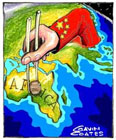 The equivalent increase in copper production from Chile, which produces four times more than any other country to right now, that would be needed by 2020 if the growth in China's consumption of copper continues at its current pace. For oil, additional production equal to what the world's largest producer Saudi Arabia pumps out each year would be required. Three times as many soybeans would need to be produced as Iowa currently grows each year, which produces 5% of the world's total right now. All this according to a Wall Street Journal article this week, noting the dominant influence of China on world commodity prices.